
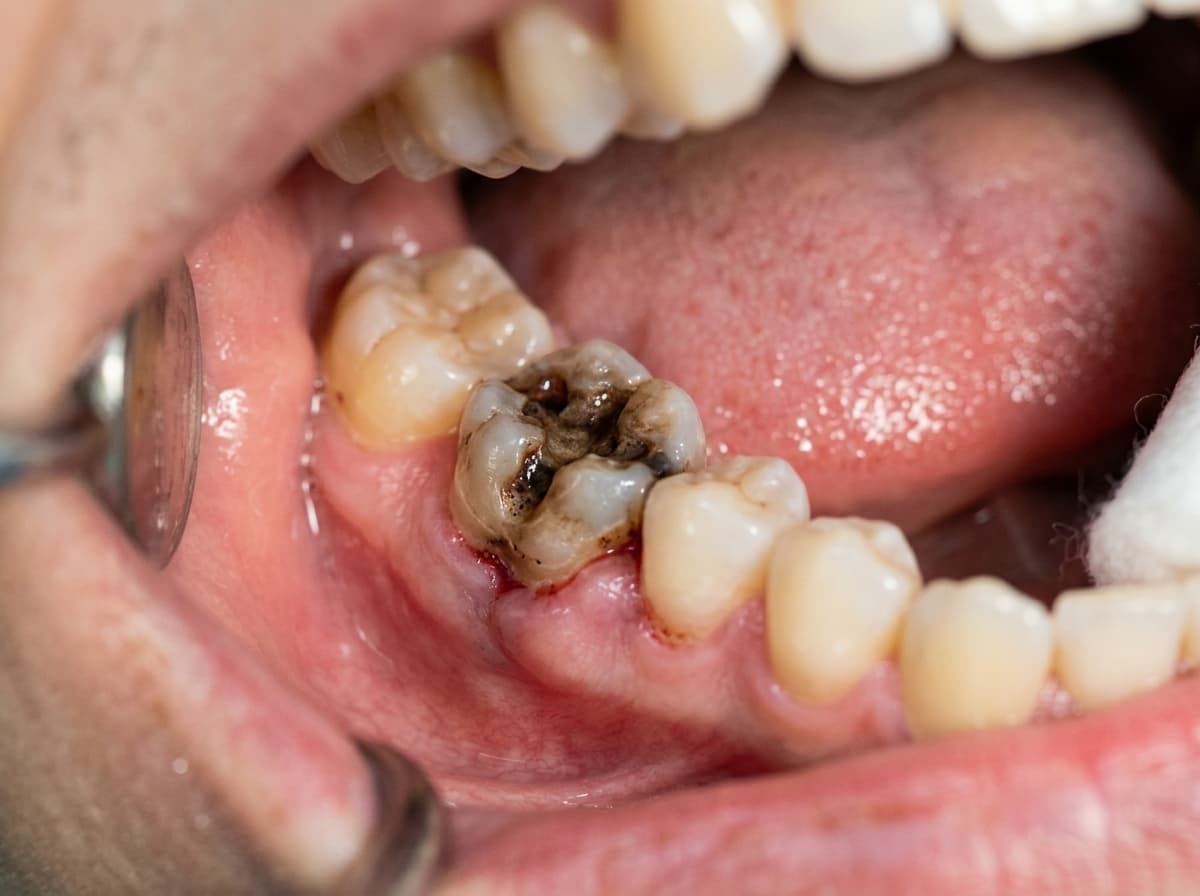
Welcome to the definitive 2025 clinical masterguide on Permanent Bad Breath (Halitosis) Cure in Mysore: Root Cause Diagnosis, published by the specialist dental team at Smile Dental Clinic Mysore. Located on Vishwamanava Double Road in Kuvempunagara North, Mysuru, our multi-specialty center combines 18+ years of clinical excellence with 3D CBCT imaging, iTero digital optical scanning, and microscope-assisted procedures. This 3,000-word guide provides an exhaustive analysis of clinical diagnostics, treatment workflows, material science, recovery guidelines, and patient outcomes for patients across Mysuru.
1. Executive Summary & Clinical Foundations in Mysuru
Oral health is fundamentally intertwined with systemic health, facial aesthetics, and psychological well-being. In Mysuru, awareness regarding advanced dental procedures has grown dramatically over the past decade. Patients are moving away from traditional, invasive procedures toward minimally invasive, digital, and comfortable options for treatments like Permanent Bad Breath (Halitosis) Cure in Mysore.
At Smile Dental Clinic Mysore, under the clinical leadership of Dr. Bharath Kumar Garla (BDS, MDS - Implantologist & Periodontist) and Dr. Pratibha Garla (BDS - Cosmetic Dentistry), every procedure begins with comprehensive digital diagnostics. Whether addressing progressive bone loss, acute pulpal infection, teeth crowding, or enamel disfigurement, our goal is to preserve natural tooth structure wherever possible while keeping the result as close to natural as the case allows.
2. Anatomy, Pathophysiology & Patient Symptoms
Understanding the underlying anatomy is essential for evaluating why treatments like Permanent Bad Breath (Halitosis) Cure in Mysore: Root Cause Diagnosis are clinically necessary. A natural tooth consists of three distinct layers:
- Enamel: The calcified outer protective shield, consisting of 96% hydroxyapatite crystals, making it the hardest substance in the human body.
- Dentin: The porous middle layer containing millions of microscopic tubule channels that communicate directly with the internal nerve.
- Pulpal Chamber: The central vascular core containing sensory nerve fibers, blood capillaries, and cellular connective tissue.
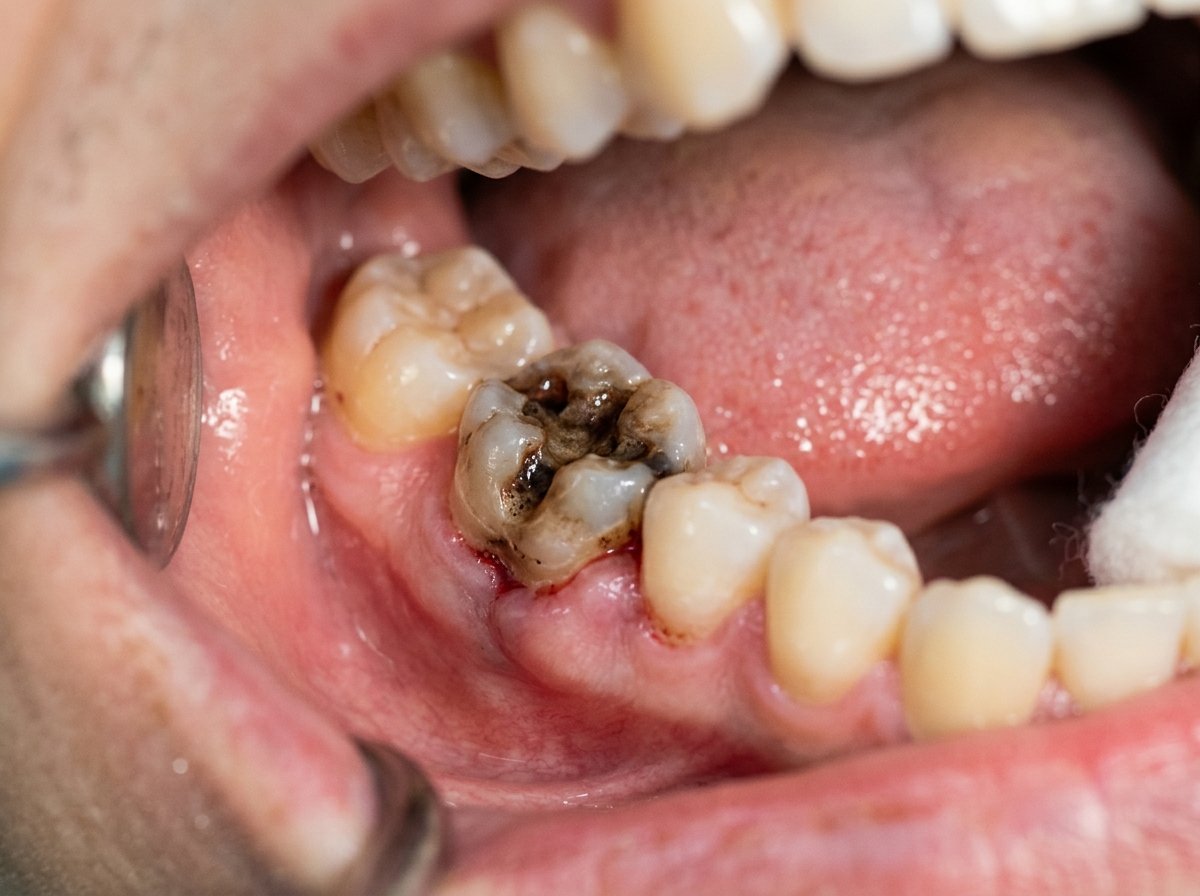
When dental caries, physical trauma, or bruxism breaches the enamel and dentin layers, bacteria penetrate the pulp chamber, triggering inflammatory pulpitis. If left untreated, infection spreads into the alveolar bone surrounding the tooth root, causing severe pain, abscess formation, and eventual tooth loss.
3. Advanced 3D & AI Diagnostics at Smile Dental Clinic Mysore
Precision dentistry begins with superior diagnostic visualization. Traditional 2D periapical X-rays compress 3D structures onto a flat plane, often obscuring hidden root canals, bone defects, and sub-gingival calculus. At our Kuvempunagara clinic, we utilize:
- 3D CBCT (Cone Beam Computed Tomography): Generates 3D volumetric images of jawbone width, height, density, and nerve distance, so implant position is planned against measured anatomy rather than estimated.
- iTero HD Optical 3D Scanners: Captures 6,000 frames per second to create high-resolution digital impressions for crowns, veneers, and aligners without messy impression putties.
- Dental Operating Microscopes: Magnifies the treatment area up to 25x, helping endodontists locate fine accessory canals that are easily missed with the naked eye.
4. 4-Stage Step-by-Step Clinical Procedure Walkthrough
Every procedure for Permanent Bad Breath (Halitosis) Cure in Mysore: Root Cause Diagnosis follows a rigorous 4-stage clinical protocol designed to support patient comfort and consistent, well-documented results:
Stage 1: Local Nerve Block & Triage
Prior to commencing any procedure, computer-controlled localized anesthesia is delivered using micro-fine needles. The target nerve bundle is numbed before work begins, and we top up if you can still feel sharpness — tell us rather than pushing through.
Stage 2: Micro-Surgical Execution & Preparation
Using magnification optics, the specialist executes the required preparation—whether performing keyhole titanium implant placement, flexible rotary NiTi canal shaping, 0.3mm enamel conditioning for veneers, or digital attachment bonding for clear aligners.
Stage 3: Disinfection & Materials Integration
The treatment site is disinfected chemically, and with laser irrigation where indicated. Biocompatible materials—such as titanium implant systems, monolithic zirconia, E.Max lithium disilicate porcelain, or clear aligner trays—are then fitted.
Stage 4: Occlusal Detailing & Final Fitting
The final restoration is light-cured, torqued, or bonded into place. Bite registration paper is used to check the occlusion and adjust any premature contact points before you leave.

5. Material Biocompatibility & Comparative Analysis
| Dental Material | Flexural Strength (MPa) | Biocompatibility Index | Clinical Indication |
|---|---|---|---|
| Grade-5 Titanium (Straumann) | 900–1,050 MPa | Biocompatible / Osseointegrates | Single & Full-Arch Dental Implants |
| Monolithic Zirconia (CAD/CAM) | High flexural strength (varies by grade) | Hypoallergenic / Metal-free | Molar Crowns, Implant Bridges |
| E.Max Lithium Disilicate | 400–500 MPa | Enamel Translucency Match | Anterior Porcelain Veneers, Inlays |
| SmartTrack Thermoplastic | High Elastic Memory | Medical-Grade FDA Approved | Invisible Clear Aligners |
6. Post-Treatment Recovery & Oral Hygiene Maintenance
Post-procedure care dictates the long-term success of any dental intervention. Follow these expert recommendations for optimal recovery:
- First 24 Hours: Avoid hot beverages, smoking, and vigorous rinsing. Apply soft ice packs externally if minor swelling occurs.
- Dietary Guidelines: Maintain a soft, non-spicy diet for 48 hours. Gradually transition back to normal foods as comfort improves.
- Oral Hygiene Protocol: Continue gentle brushing with a soft-bristled toothbrush. Use prescribed chlorhexidine anti-bacterial mouthwash twice daily.
- 6-Month Preventive Audits: Schedule bi-annual professional scaling and clinical checkups at Smile Dental Clinic Mysore to preserve your warranty.
7. Why Mysore Patients Trust Smile Dental Clinic Mysore
Located conveniently on Vishwamanava Double Road in Kuvempunagara North, Mysuru, Smile Dental Clinic Mysore has served over 15,000+ satisfied patients across Gokulam, Vijayanagar, Saraswathipuram, Jayalakshmipuram, and surrounding districts. With a 4.8★ rating based on 1,939 Google reviews, our clinic stands as Mysuru's premier destination for advanced digital dentistry.
To book your complimentary 3D consultation or emergency dental visit, call our helpline at +91 98451 62272 or schedule online today!